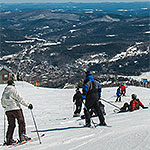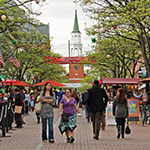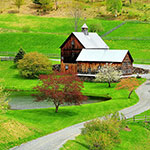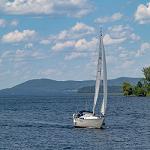
Much of the brilliant red, orange, and gold color is from native sugar maples, which are abundant in Vermont (the flip side of fall foliage is the sugaring season in late winter, when maple sap begins to flow). Plan ahead to see fall foliage in Vermont, because people from around the world flock here. Best option: reserve lodgings in a mountain resort or sweet inn for a romantic getaway and stay awhile.
The route travels north-to-south between the towns of Wilmington and Waterbury, VT through the center of the state. Route 100 – sometimes called “Vermont’s Main Street” – skirts the Green Mountains and offers picturesque views of valleys, farms & old barns, and sweet towns. It also passes many state and local parks, along with Mount Snow, Stratton, Okemo, Killington and Sugarbush ski areas. Lots of activities, including walking, mountain biking, and enjoyment of foliage, happen at ski areas during no-snow seasons. Waterbury, the northernmost town on this drive, is one of many VT towns with a historically significant downtown. Route Map
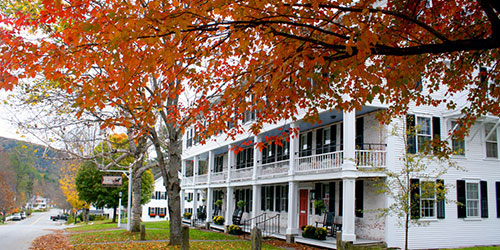
The Vermont towns of Manchester and Bennington are cherished for their classic New England beauty structures, and for their fine museums, dining and shopping. This drive also dips into northwestern Massachusetts to visit the delightful town of Williamstown. Take all or a part of the drive, which includes a very outdoorsy side trip to the pristine Somerset Reservoir. This drive has lots of digressions for dining and wining. Choose and enjoy! Route Map
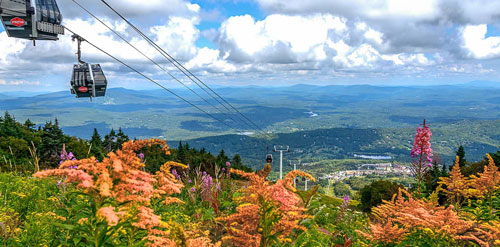
This loop drives starts and ends at the bustling, hippie-period-redux town of Brattleboro, VT, with lots of good dining, fun shops, and a circus school, and travels on and around Route 9, also called the Molly Stark Byway. The drive passes through the Mount Snow ski area, which offers scenic chair life rides on the Bluebird Express daily during foliage season. You will pass through delightful towns like Newfane and Whitingham, VT, and the views all along the way are guaranteed to be spectacular if the weather cooperates. Route Map
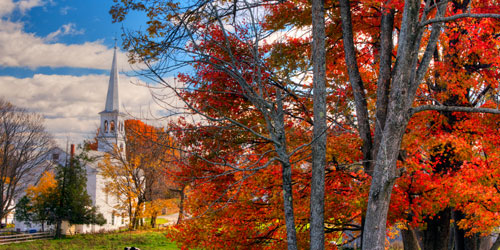
This drive is actually two intersecting loops, forming a figure eight, so you can shorten or lengthen the entire drive as you see fit. The loops travel around Lake Bomoseen, Birdseye Mountain, and Lake St. Catherine. A neat side trip takes you to Proctor, where you can learn about and marvel at the state’s historic marble quarrying industry. Also, tour a real castle! Route Map
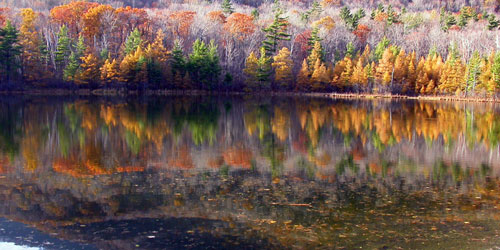
This loop is a large north-south oval in east-central Vermont, starting and ending in the beautiful town of Woodstock, VT and passing through Killington Ski Area. A small side trip takes you to the dramatic Quechee Gorge, also known as Vermont’s "Little Grand Canyon", with fun souvenir shopping right nearby. You can shorten the drive easily by doing only pieces of the loop. Route Map
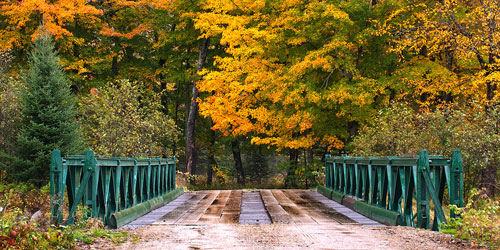
This route meanders through the Green Mountain National Forest and skims Lake Dunmore, passing through the towns of Middlebury, Ripton, Lincoln, Jerusalem, Irasville, Granville, Hancock, Goshen, Brandon, Leicester, and Salisbury, VT, before returning to Middlebury. Route Map
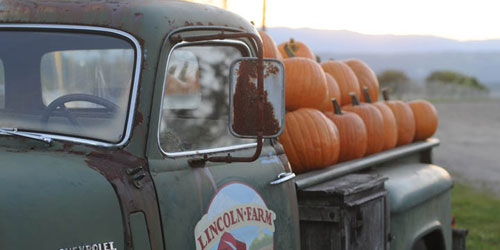
The centerpiece of this beautiful drive is the long, north-south string of the Lake Champlain Islands, where almost every twist and turn of the roads towns reveals both countryside views and vistas across the lake and out toward distant mountains. A unique and impressive mix. Route Map
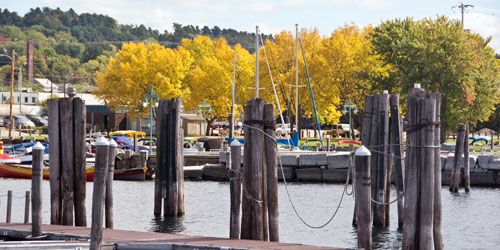
Vermont’s Northeast Kingdom is a paradise for people who love outdoor summer and winter sports. The major towns are St. Johnsbury and Newport, VT. The region is also home to Jay Peak - a wonderful ski resort with a huge indoor water park for year-round family fun. Route Map
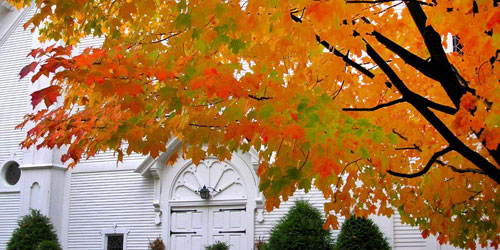
This drive starts & ends at Stowe, VT, where you board a gondola and see the foliage from above as you warm up the seat for wintertime skiers. Nearby are two waterfalls, where adventurous people may hike, take photos or have a picnic. The drive also passes one of the state's parks with a beautiful mountain lake. Prepare for classic images of Vermont’s Green Mountains.
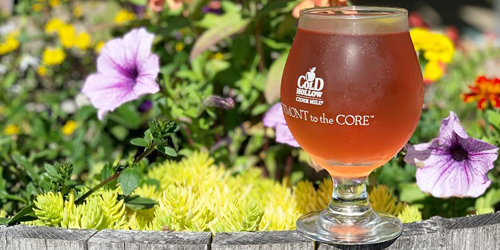
Also, a quick, 6-mile side-trip down Route 100, directly south of Stowe like a tail on this drive loop, is Waterbury Center, VT, a sweet place, partly because of the presence of Cold Hollow Cider Mill. Route Map
* Our thanks to the Vermont Department of Tourism and Marketing.
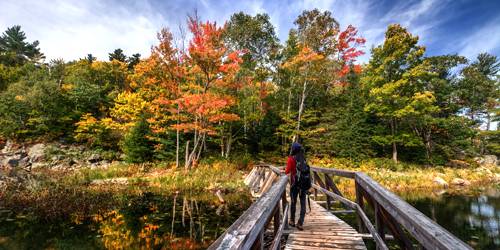
Vermont breaks into four distinct tourism regions, each with its own character and its own foliage timeline. If you're short on time, use this as a quick guide to choosing where to go.
Fall in Vermont is inseparable from its maple and harvest traditions. Many sugarhouses that boil syrup each spring open their doors in autumn for tastings, tours, and fresh-pressed cider, giving visitors a taste of the state's agricultural year even outside of sugaring season. Look for roadside stands selling cider donuts, honey, and jams alongside the syrup, and check ahead for harvest festivals, hayrides, and corn mazes held on working farms throughout September and October. These stops are an easy way to slow down a drive and support the small farms that shape Vermont's rural landscape.
Beyond the orchards along the driving routes above, apple picking is a statewide fall staple. Orchards across Vermont open their rows to visitors from early September through late October, with varieties ranging from early McIntosh to late-season Northern Spy. Many combine picking with a farm store selling cider, baked goods, and pumpkins, making them an easy stop on any of the loop drives. Roadside farm stands, often unmanned and running on the honor system, are also part of the experience — keep an eye out for hand-painted signs as you drive the back roads.
Vermont's lodging options are as varied as its landscape. Ski towns like Stowe and Killington offer full-service mountain resorts with easy access to gondolas and dining. Historic villages such as Grafton, Woodstock, and Manchester are home to classic bed and breakfasts, many set in restored 19th-century homes. For a quieter pace, farm stays put visitors in the middle of working orchards or dairy farms, and lakeside cottages around Lake Champlain and Lake Bomoseen offer a base for travelers who want water views alongside their foliage drives. Whichever style you choose, book early — rooms in the northern part of the state fill up fastest.
When is peak foliage in Vermont?
Peak color typically starts in the north around late September and moves south through October, with most of the state peaking by mid-to-late October.
Is Vermont better for foliage than other New England states?
Vermont's Green Mountains and abundance of sugar maples make it one of the most reliably vivid states for color, though New Hampshire and western Massachusetts offer comparably strong displays.
How many days should I plan for a foliage trip?
A long weekend covers one region well. A full week allows time to combine northern, central, and southern routes without rushing.
Do I need a car to see the foliage?
Yes. Vermont's best foliage is along rural back roads and scenic byways, most of which aren't served by public transit.
Is Vermont foliage good for a family trip?
Yes — pick-your-own orchards, farm stands, and gentle walking trails make it easy to build a trip around kids as well as scenery.
Cell service can be spotty in rural stretches of Vermont, especially in the Northeast Kingdom and along mountain passes — download offline maps before you set out. Route 100 and other popular corridors can see heavy traffic on peak-weekend afternoons, so an early start avoids the worst of it. Fall weather can shift quickly in the mountains; pack layers and check the forecast each morning, since a clear day at the base of a mountain can turn cold and windy at higher elevations.